 News

Last-minute London – capital’s holidaymakers top late-booking league
-
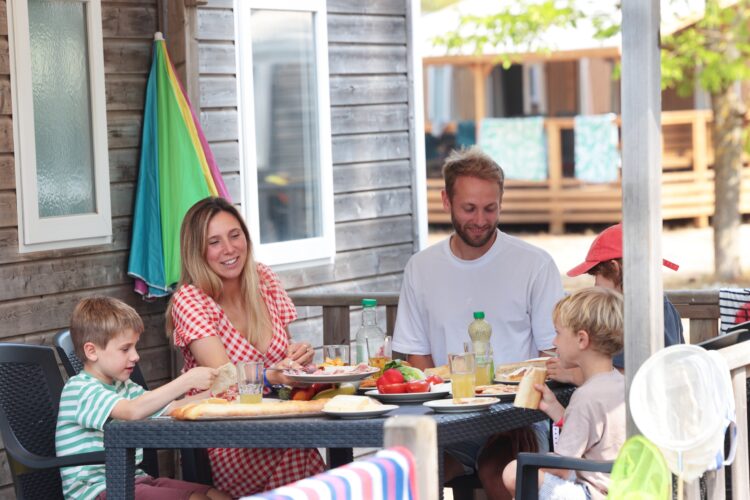 All aboard for family fun - but where you live shapes when you book.
-
 All aboard for family fun - but where you live shapes when you book.
-
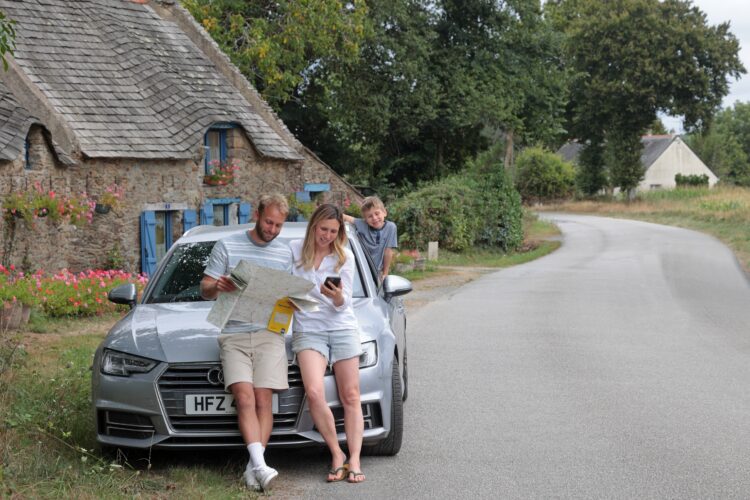 All aboard for family fun - but where you live shapes when you book.
-
 All aboard for family fun - but where you live shapes when you book.
-
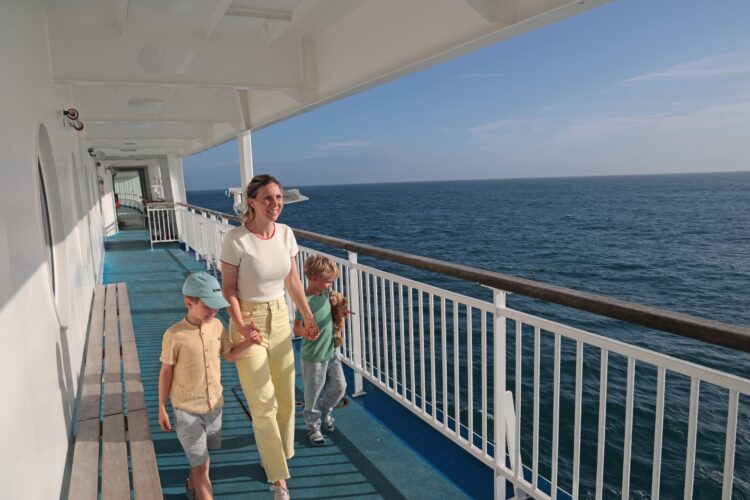 All aboard for family fun - but where you live shapes when you book.

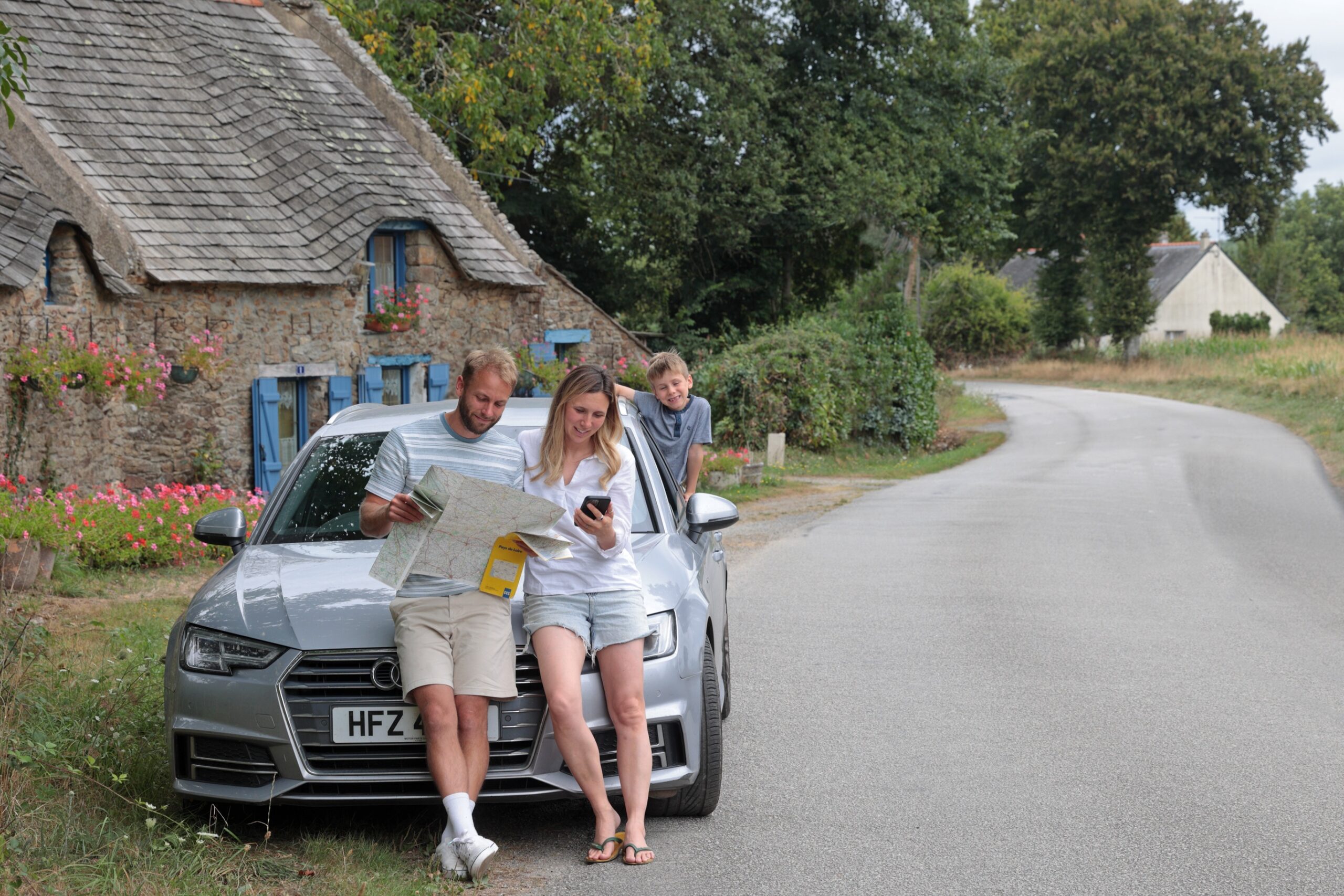

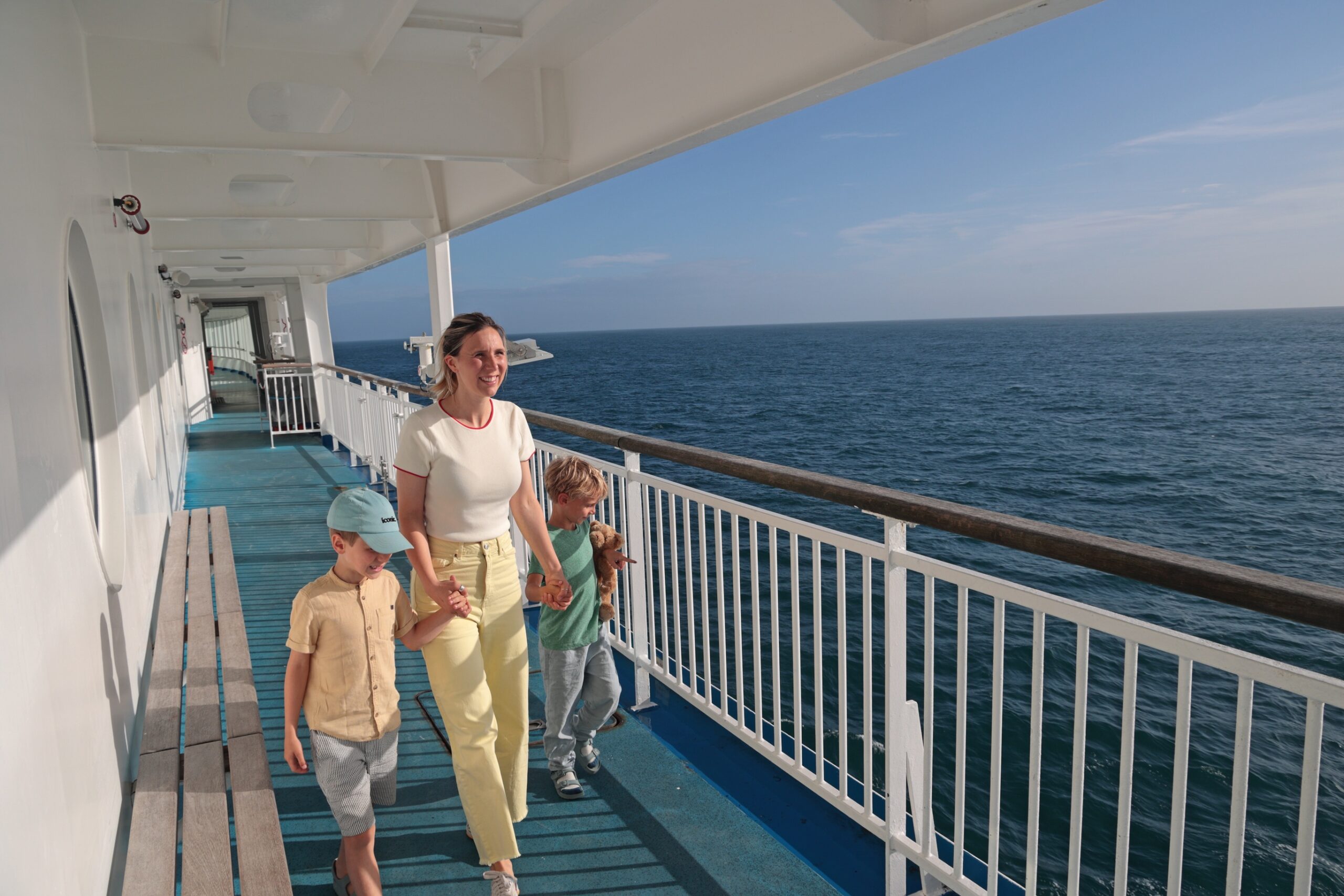
New Brittany Ferries data reveals a booking divide: Londoners book as little as 75 days ahead, more than seven weeks later than holidaymakers in Cheshire.
Londoners are Britain’s most spontaneous holidaymakers, according to figures just published by Brittany Ferries. Up to 44 per cent of people in the capital book less than a month before departure, against 31 per cent nationally.
Every London area is in the top ten for both last-minute bookings and shortest booking lead time. In central and west London, people book an average of just 75 days (around 11 weeks) before travel, against a national average of 108 days, more than 15 weeks. At the other end of the scale, Cheshire residents book an average of 127 days ahead, more than 18 weeks.
Nine in ten passengers who sail with Brittany Ferries are British and more than two million travel each year, creating a rich data set. It underlines a shift towards shorter booking windows seen across the travel sector.
ABTA, for example, expects a strong late-booking pattern. Its June 2026 research found that 30 per cent of people planning an overseas holiday this summer intend to book two to four weeks before departure, with a further 10 per cent booking less than a fortnight ahead.
Meanwhile, the post-Christmas surge – once the busiest period of the year for holiday reservations – has become far less pronounced. The ‘hockey stick’ has flattened, with bookings spread much more evenly through the year.
Paul Acheson, Director Sales and Marketing at Brittany Ferries, says:
“Covid seems to have changed the game forever. We were expecting a return to pre-pandemic booking patterns, but that hasn’t happened for the past three years.
“Borders were opened and closed during the crisis, sometimes at the last minute, so perhaps it’s not surprising. Like all companies in the sector we have had to move with the times, and adapt our approach to marketing and customer communications.”
Regional variations, and a table covering all 40 regions, are set out in the notes to editors below.
—Ends—
Notes to editors
- Regional variations in booking patterns
1.1 London
Londoners lead the last-minute league
Every London area features in the top ten for both last-minute bookings and shortest lead time. In central and west London, 44 per cent book less than a month before departure, compared with 31 per cent nationally, and the average lead time is 75 days, around 11 weeks, against a national average of 108 days.
Elsewhere in the capital, the figures are: inner east London (39 per cent, 84 days), outer east and north east London (38 per cent, 95 days), outer west and north west London (36 per cent, 95 days) and outer south London (33 per cent, 102 days).
1.2 Dorset & Somerset
More than a third of Dorset and Somerset holidaymakers leave booking until the last minute.
Holidaymakers living in Dorset and Somerset make 35 per cent of their reservations less than a month before travel, according to Brittany Ferries data. They book an average of 95 days ahead, around 14 weeks, giving the area the shortest lead time outside London. That compares with 75 days in central and west London, where 44 per cent book within a month.
Travellers from Cheshire plan much further ahead. They book an average of 127 days before travel, 32 days (more than four weeks) earlier than those in Dorset and Somerset.
1.3 Hampshire & Isle of Wight
More than a third of Hampshire travellers book holidays within a month of departure
Hampshire and Isle of Wight residents make 35 per cent of their holiday bookings less than a month before departure, level with Dorset and Somerset, according to Brittany Ferries analysis.
They book an average of 96 days ahead of travel, around 14 weeks, compared with 75 days in central and west London. Further north, travellers plan much earlier: Cheshire residents book an average of 127 days before departure, more than four weeks ahead of those on the south coast.
1.4 Cheshire
Only 26 per cent of Cheshire travellers book in the final month, compared with 44 per cent in central and west London
People living in Cheshire book their holidays an average of 127 days, just over 18 weeks, before departure. That is the longest lead time of any area, according to data published by Brittany Ferries.
Cheshire residents book 52 days earlier, on average, than those in central and west London, where 44 per cent of bookings are made within a month of departure. In Cheshire, only 26 per cent leave booking until the final month, against 31 per cent nationally.
1.5 North Yorkshire
North Yorkshire holidaymakers leave little to chance when planning a getaway
People living in North Yorkshire book their holidays an average of 125 days, almost 18 weeks, before departure. Only Cheshire, on 127 days, plans further ahead. That is a full 50 days earlier than central and west London, where people book just 75 days ahead.
North Yorkshire also has the lowest proportion of last-minute bookings in the study, with only 24 per cent made within a month, compared with 44 per cent in central and west London.
1.6 Greater Manchester
Greater Manchester holidaymakers get ahead of the holiday rush
Holidaymakers in Greater Manchester book an average of 125 days, almost 18 weeks, before departure.
That puts them just two days behind Cheshire, which leads the league on 127 days, and 50 days ahead of central and west London, where the average is 75 days. Only 27 per cent of Greater Manchester bookings are made within a month of departure, compared with 44 per cent in central and west London.
1.7 Lancashire
Lancashire holidaymakers prefer to have their getaway in the diary early
Lancashire residents book their holidays an average of 125 days, almost 18 weeks, before departure. That makes the county one of the least spontaneous parts of Britain, two days behind Cheshire on 127 days, according to Brittany Ferries data. In central and west London the average is only 75 days.
Just 26 per cent of Lancashire bookings are made within the last month, compared with 44 per cent in central and west London.
1.8 Merseyside
Merseyside holidaymakers like to get their travel plans sorted early
People living in Merseyside book their holidays an average of 124 days before departure, according to Brittany Ferries booking data. At around 18 weeks, that is one of the longest lead times in the UK, just three days shorter than Cheshire, which leads the league on 127 days.
Only 29 per cent of Merseyside bookings are made in the final month, compared with 44 per cent in central and west London, Britain’s most spontaneous area.
1.9 Scotland
Highlands and Islands travellers are Scotland’s most spontaneous holidaymakers
Three in ten holiday bookings (30 per cent) by people living in the Highlands and Islands are made less than a month before departure, despite the distance from Brittany Ferries’ ports on the south coast of England.
Travellers there book an average of 102 days ahead, around 15 weeks, the shortest lead time in Scotland. That is still far longer than the 75 days in central and west London.
At the other end of the table, Cheshire passengers book an average of 127 days ahead – 25 days, or around three and a half weeks, longer than in the Highlands and Islands – with only 26 per cent booking within the final month.
| Region | Booked less than a month before travel (per cent) | Average lead time (days) |
| UK average | 31 | 108 |
| Inner London – West | 44 | 75 |
| Inner London – East | 39 | 84 |
| Outer London – East and North East | 38 | 95 |
| Outer London – West and North West | 36 | 95 |
| Dorset and Somerset | 35 | 95 |
| Hampshire and Isle of Wight | 35 | 96 |
| Surrey, East and West Sussex | 33 | 101 |
| Outer London – South | 33 | 102 |
| Highlands and Islands | 30 | 102 |
| Kent | 34 | 104 |
| Berkshire, Buckinghamshire and Oxfordshire | 30 | 106 |
| Essex | 32 | 107 |
| East Anglia | 29 | 107 |
| North Eastern Scotland | 29 | 108 |
| Cornwall and Isles of Scilly | 30 | 109 |
| Devon | 29 | 109 |
| Gloucestershire, Wiltshire and Bath/Bristol area | 29 | 110 |
| Eastern Scotland | 28 | 110 |
| Bedfordshire and Hertfordshire | 29 | 111 |
| East Wales | 29 | 112 |
| East Yorkshire and Northern Lincolnshire | 30 | 113 |
| Southern Scotland | 28 | 113 |
| West Midlands | 28 | 113 |
| Leicestershire, Rutland and Northamptonshire | 29 | 114 |
| West Central Scotland | 29 | 114 |
| Herefordshire, Worcestershire and Warwickshire | 27 | 114 |
| West Wales | 30 | 116 |
| Shropshire and Staffordshire | 29 | 118 |
| Lincolnshire | 28 | 118 |
| West Yorkshire | 28 | 119 |
| Cumbria | 25 | 119 |
| Tees Valley and Durham | 29 | 120 |
| South Yorkshire | 27 | 121 |
| Northumberland and Tyne and Wear | 29 | 122 |
| Derbyshire and Nottinghamshire | 25 | 122 |
| Merseyside | 29 | 124 |
| Greater Manchester | 27 | 125 |
| Lancashire | 26 | 125 |
| North Yorkshire | 24 | 125 |
| Cheshire | 26 | 127 |
Press contacts
- Nigel Wonnacott [email protected]
- Christopher Jones [email protected]
Images
Please visit Brittany Ferries’ media image library: https://brittanyferriesnewsroom.com/image_category/holidays/
About Brittany Ferries
Brittany Ferries was conceived in 1972, starting life as a freight-only ferry-service on 2nd January the following year. The first vessel (Kerisnel) linked Roscoff in Brittany with Plymouth on the southwest coast of England and carried a cargo of cauliflowers and cognac.
Since then, the company has progressively launched, then strengthened its shipping routes. In more than 53 years of service, millions of passengers and businesses have travelled by sea across the so-called ‘Atlantic Arc’ (western France, UK, northern Spain and Ireland). They rely on the links forged by more than five decades of experience. In addition to cutting congestion and emissions on busy roads, Brittany Ferries’ motorways-of the sea (and more recently rail) have helped enrich local communities, creating jobs, nurturing international tourism and boosting cross-border trade.
Five new vessels have joined the fleet in the last six years. Two LNG-hybrids (Saint-Malo in February 2025 and Guillaume de Normandie in April 2025) completed the largest fleet renewal programme in the company’s history.