 News
News
Brittany Ferries and Portsmouth are together in electric dreams
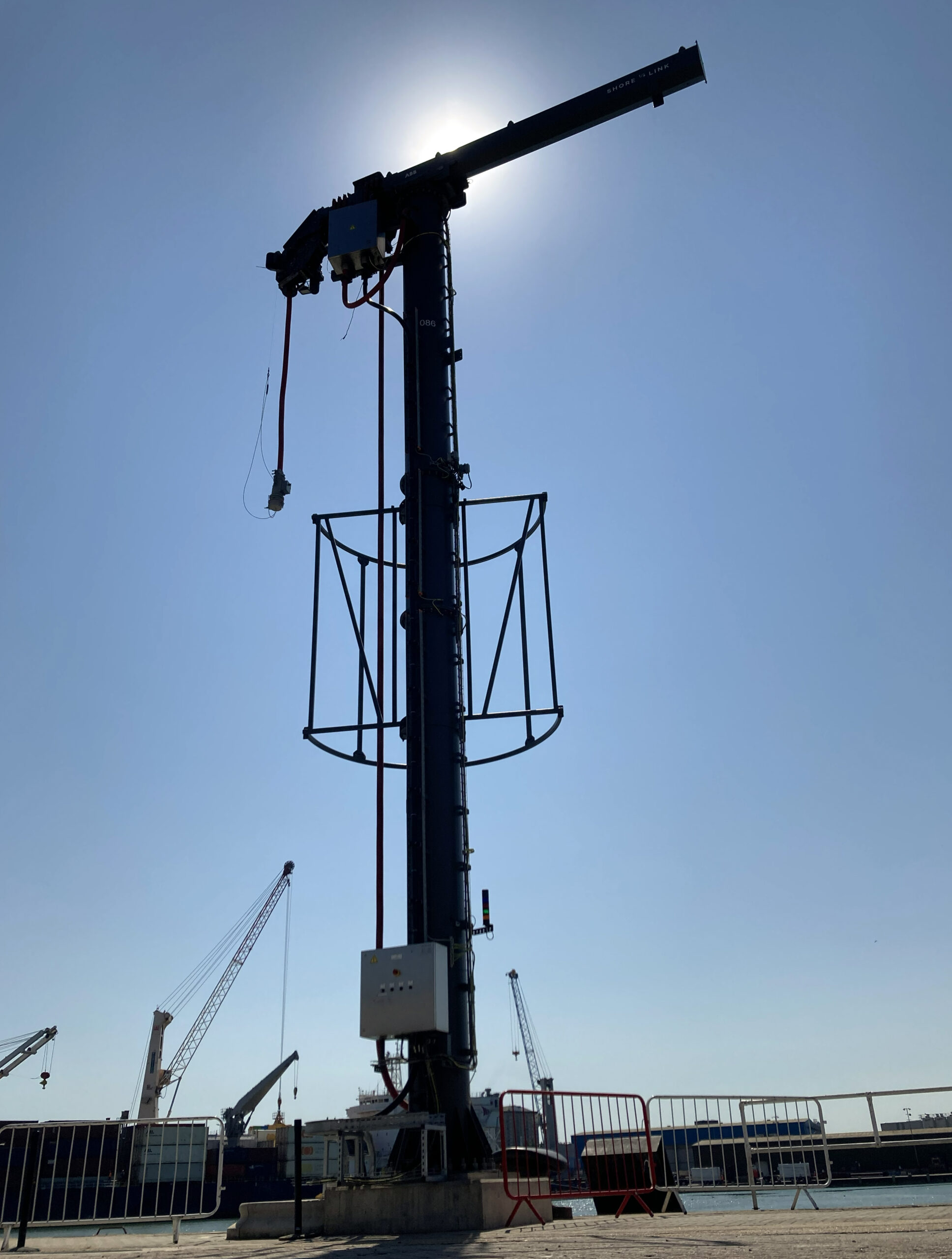
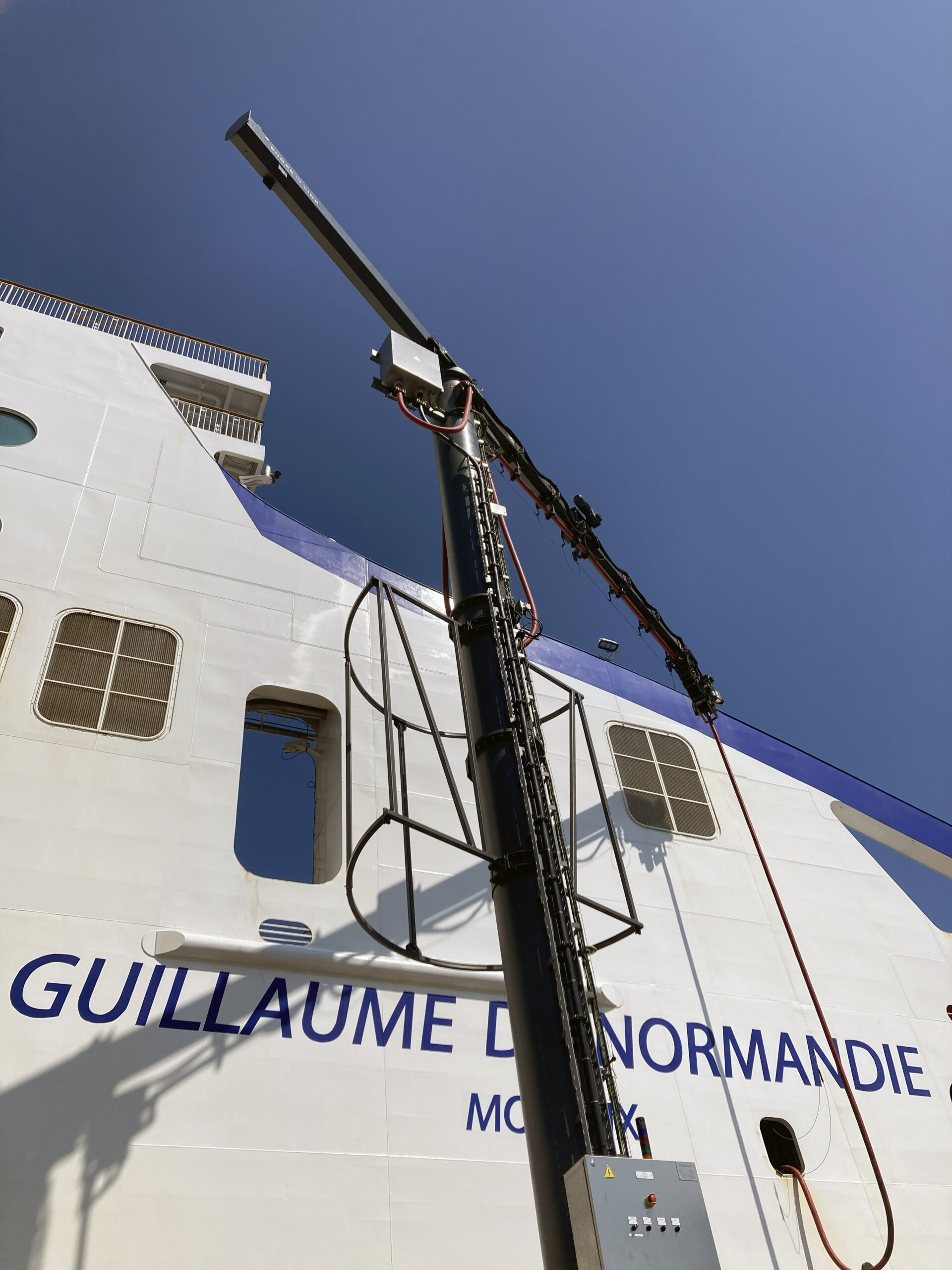
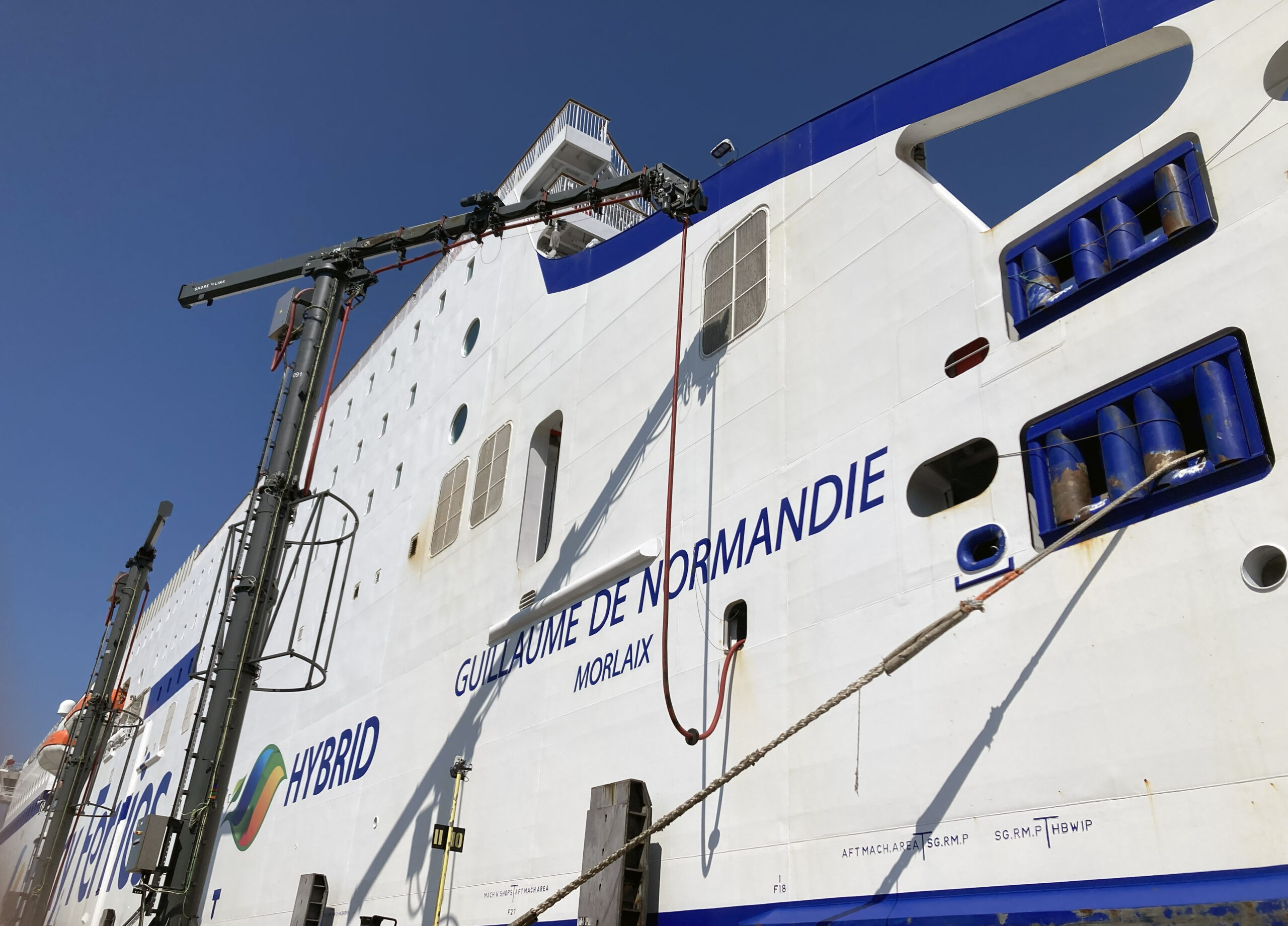
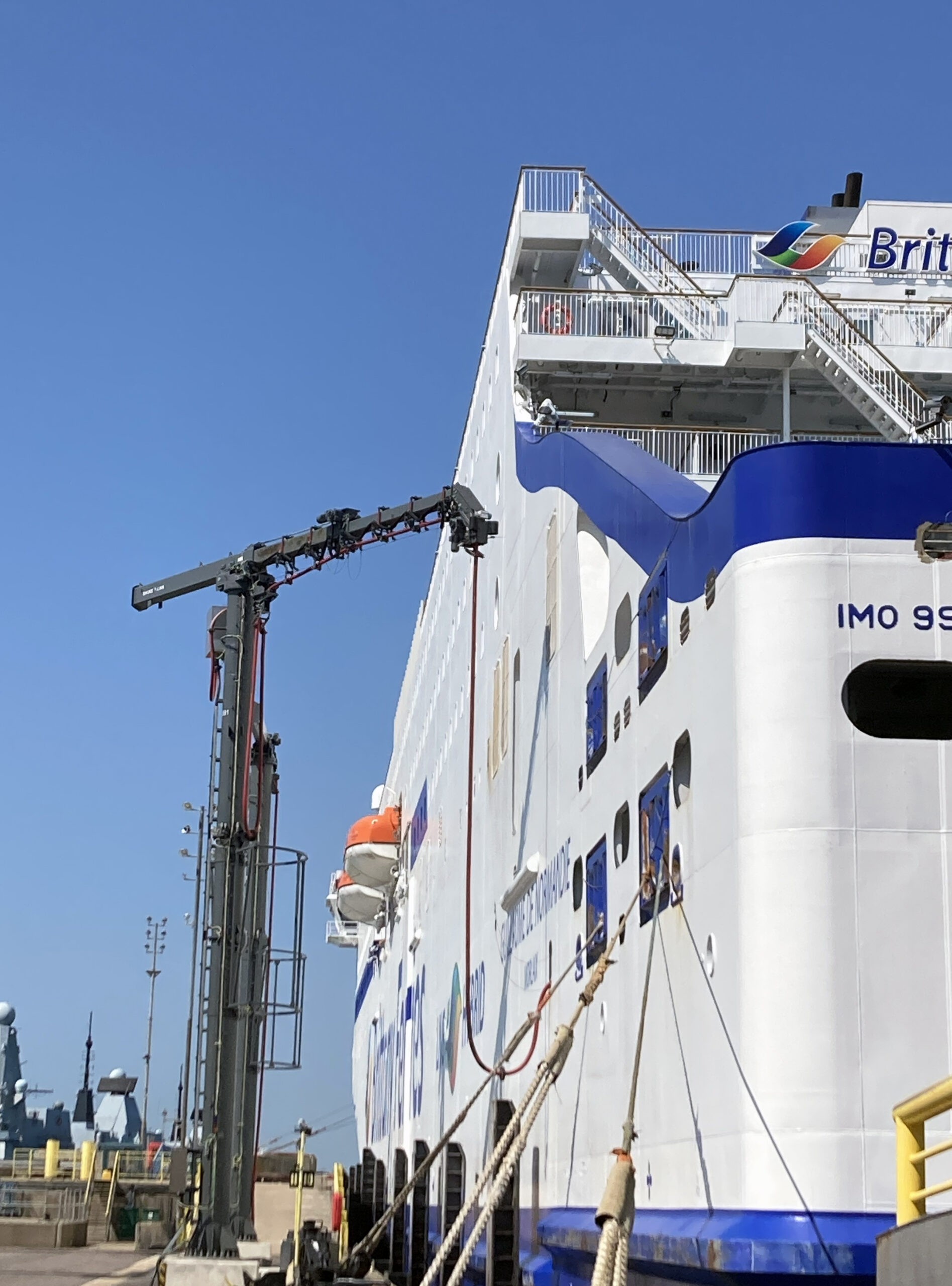
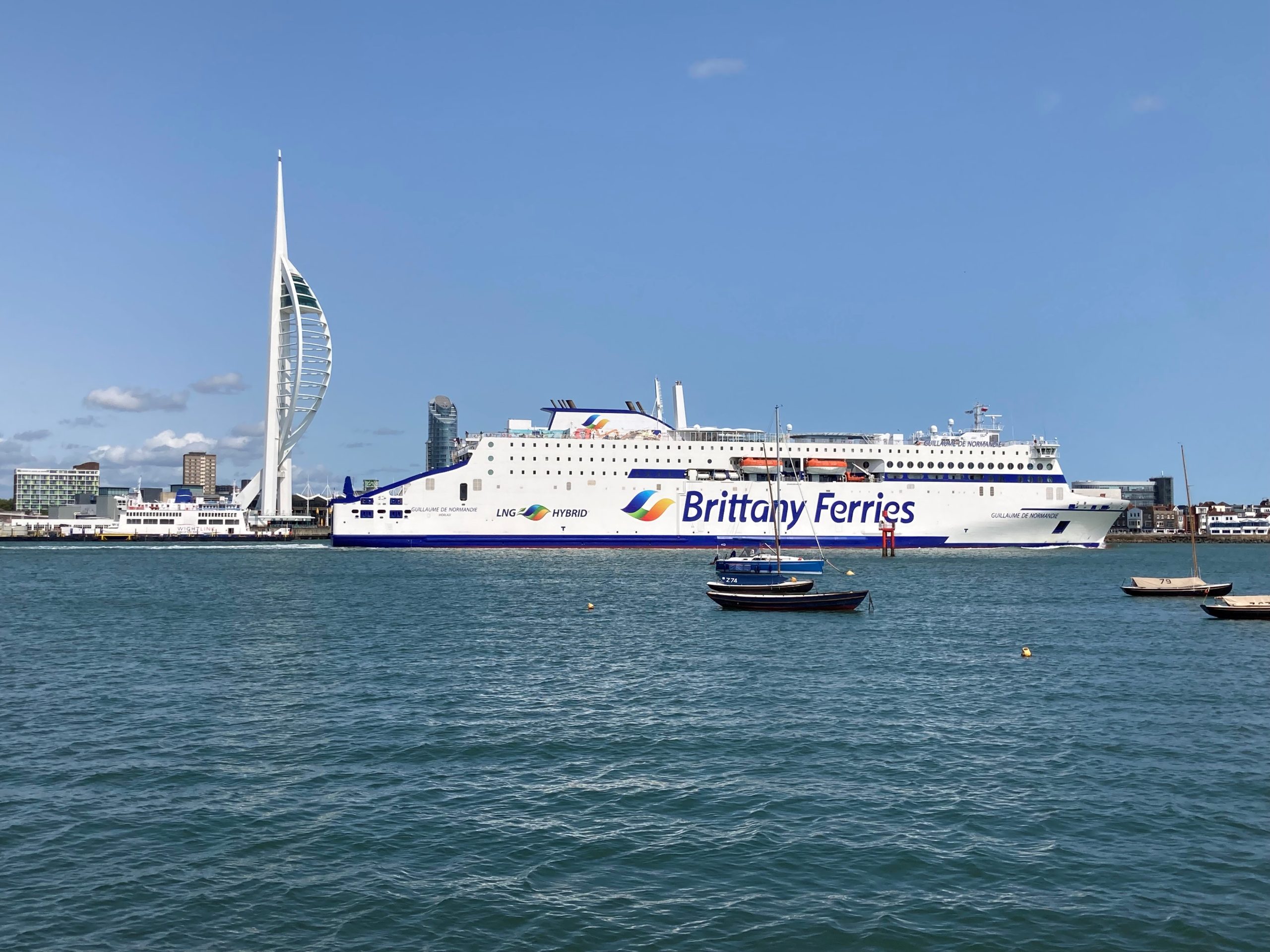
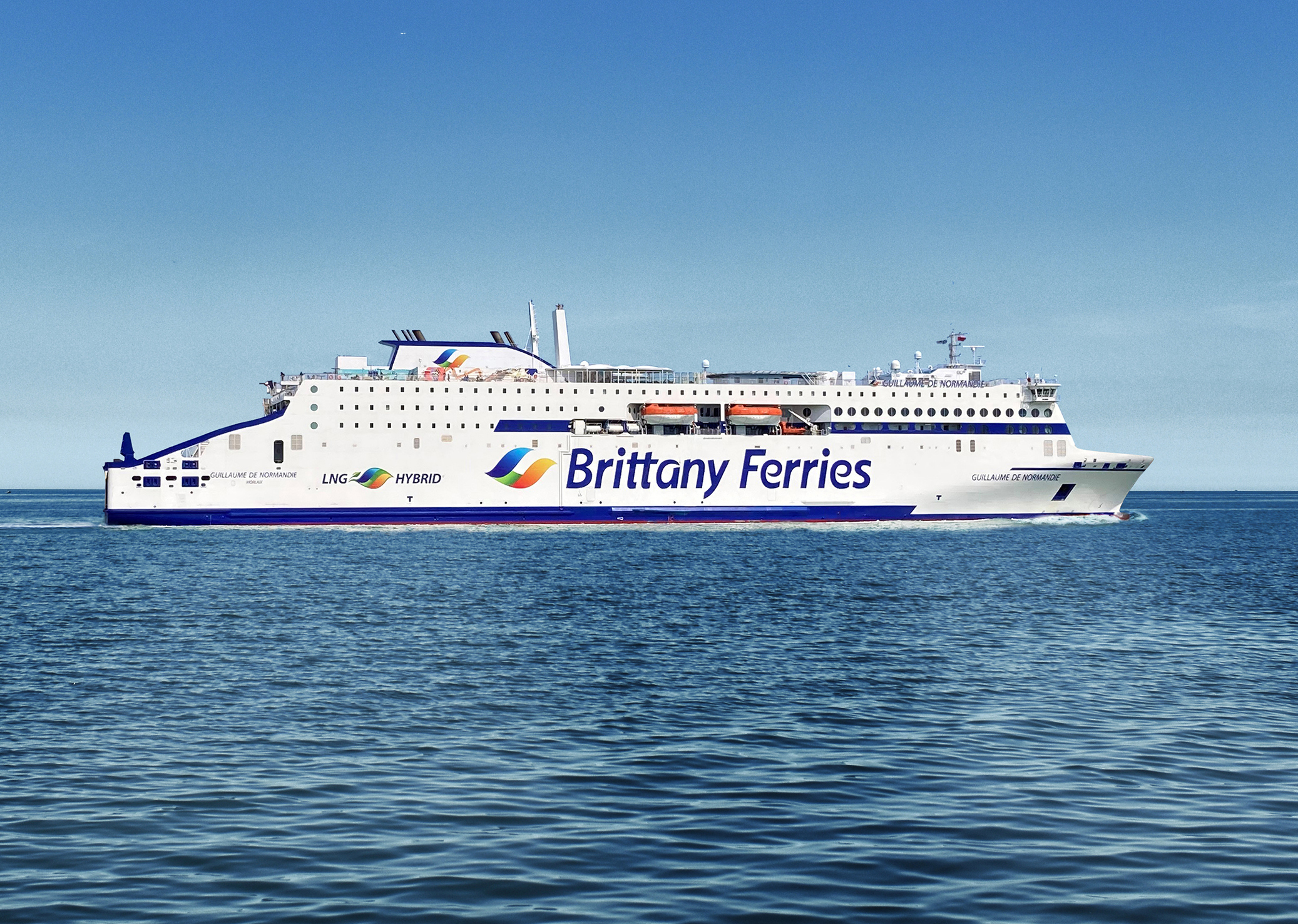
- Cross-Channel ferry leaves UK for France charged with power from the quayside
As 1,100 holidaymakers settle in for the 08:00 departure to Caen this morning, Guillaume de Normandie will ease silently away from the quayside, engine- and emissions-free. It will follow two hours connected to Portsmouth International Port’s new shore power system, marking the first cross-Channel ferry to leave the UK powered by electricity fed from the quayside.
It’s a fitting send-off, on Brittany Ferries’ busiest route, at the start of the school summer break. More than a thousand passengers will begin their holiday on board the greenest ship on the Channel, just as Brittany Ferries and Portsmouth International Port mark a milestone on their shared journey towards decarbonisation.
One of Brittany Ferries’ two new LNG-electric hybrids, Guillaume de Normandie arrived into Portsmouth from France at 06:00. It plugged-in straight away, recharging its onboard batteries before switching to electric power for manoeuvre out of Portsmouth Harbour and onto Normandy, where it will arrive at the eastern edge of Sword Beach, a newly designated UNESCO world heritage site.
Shore power has been in testing at Portsmouth International Port for the past two months. It is now fully operational, meaning Guillaume de Normandie and sister ship Saint-Malo – which serves the St Malo route – can recharge their batteries every time they’re alongside in the great waterfront city.
There’s no air quality or climate change emissions, when plugged-in. Nor is there any noise, for those living and working around the port. It also means the ships can manoeuvre in and out of Portsmouth Harbour completely emissions-free, switching to hybrid LNG-electric running only once clear of the port entrance.
“This is a huge milestone for our business, and one that we’ve reached thanks to a team effort by all partners involved,” says Christophe Mathieu, CEO of Brittany Ferries. “It means we can now realise the full potential of the greenest vessels in our fleet. We’re better neighbours to Portsmouth, and we’re leading the sector on sustainability.
“But this doesn’t come without a cost. We’re urging the new government to consider tax breaks to offset the additional expense of plugging in while alongside. Without that support, the lead taken by Portsmouth International Port and Brittany Ferries is unlikely to be followed by others in the drive to net zero.”
The cost of plugging-in is still a challenge for Brittany Ferries, the port and the wider shipping sector. It costs more than running engines while alongside due to high electricity costs and connection charges. However, Brittany Ferries thanks Portsmouth International Port for many months of negotiation to reach a deal covering the next twelve months, helping offset some of that additional cost burden.
-Ends-
Images: LNG-electric hybrid ship Guillaume de Normandie plugs-in at Portsmouth International Port
About Brittany Ferries
Brittany Ferries was conceived in 1972, starting life as a freight-only ferry-service on 2nd January the following year. The first vessel (Kerisnel) linked Roscoff in Brittany with Plymouth on the southwest coast of England and carried a cargo of cauliflowers and cognac. Since then, the company has progressively launched, then strengthened its shipping routes. In more than 54 years of service, millions of passengers and businesses have travelled by sea across the so-called Atlantic Arc (France, UK, Spain and Ireland). They rely on the links forged by more than five decades of experience. In addition to cutting congestion and emissions on busy roads, Brittany Ferries’ motorways-of the sea (and more recently rail) have helped enrich local communities, creating jobs, nurturing international tourism and boosting cross-border trade. Five new vessels have joined the fleet in the last six years. Two LNG-hybrids (Saint-Malo Feb ‘25 and Guillaume de Normandie Apr ‘25) completed the largest fleet renewal programme in the company’s history.